



Product features
Designed to meet the needs of demanding industries and environments
Key application areas


Poultry & livestock
Halamid® is proven, powerful, yet mild disinfectant ideally suited to be used by poultry farmers in broiler houses, hatcheries and layer farms. Halamid® is notified under the EU BPR regulation and UK DEFRA and approved among many other registrations around the world.
Aquaculture
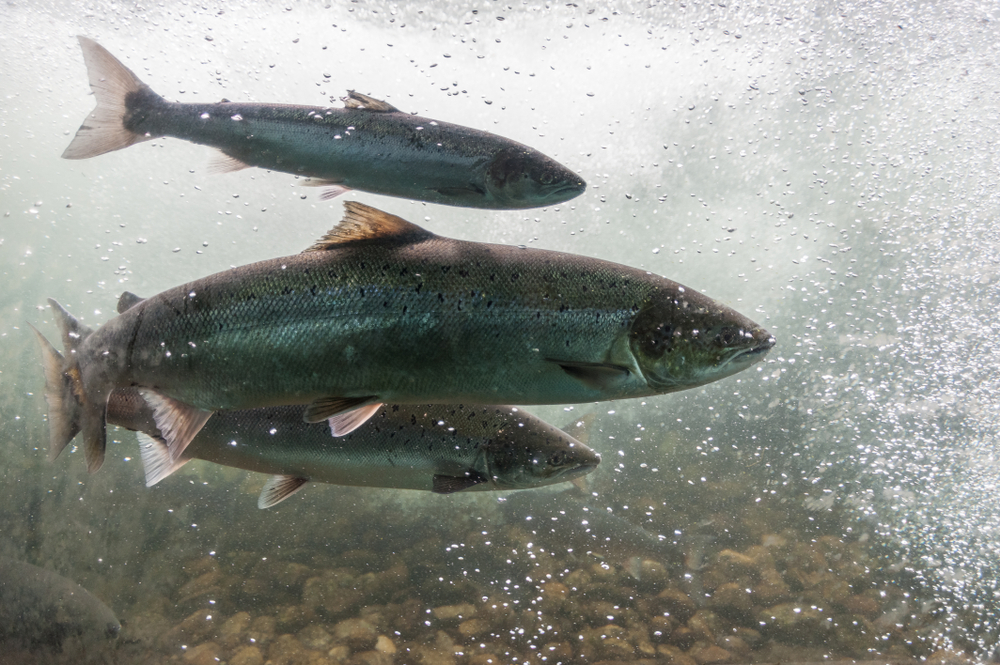
Halamid® has been employed as an essential and reliable disinfectant for aquaculture for many years with its good efficacy and low toxicity to fish, shrimps, shellfish and aquatic environments. Halamid® is used in salt, brackish and fresh waters.
Hospital, nursing homes, kindergarten
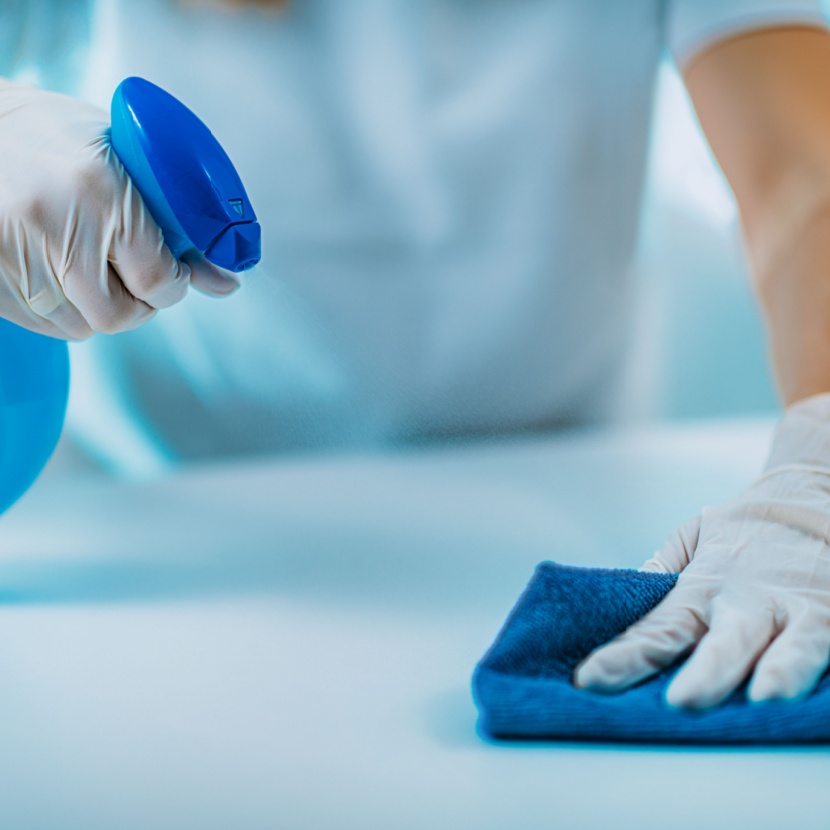
Halamid® is a powerful disinfectant that eradicates all major problem-causing microorganisms. Halamid® is the proper disinfectant when it comes to hygiene of buildings, industrial plants, hospitals, and equipment.
Industry, feed and food processing facilities
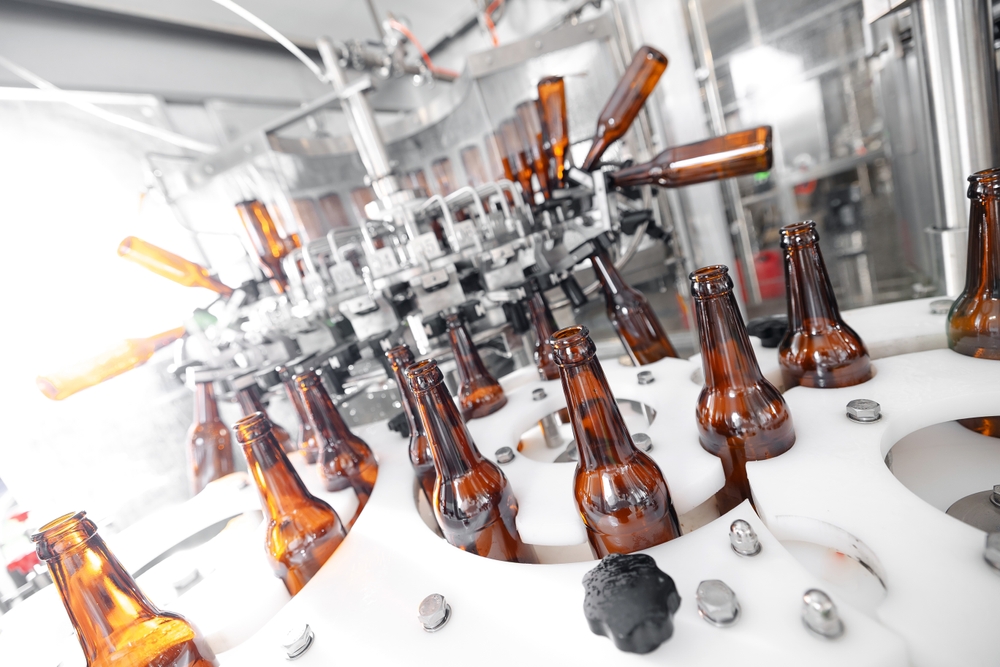
Listeria, Salmonella, E. coli and many other bacteria are a major concern in the food processing and beverage industry. Halamid® can overcome effectively and rapidly those microorganisms. Halamid® is the choice #1 as far as daily disinfection in food & beverage industry Is concerned. Indeed, it does not induce bacterial resistance and can be used all year long without rotation and is not remanant.
Poultry & livestock
Halamid® is proven, powerful, yet mild disinfectant ideally suited to be used by poultry farmers in broiler houses, hatcheries and layer farms. Halamid® is notified under the EU BPR regulation and UK DEFRA and approved among many other registrations around the world.
Aquaculture
Halamid® has been employed as an essential and reliable disinfectant for aquaculture for many years with its good efficacy and low toxicity to fish, shrimps, shellfish and aquatic environments. Halamid® is used in salt, brackish and fresh waters.
Hospital, nursing homes, kindergarten
Halamid® is a powerful disinfectant that eradicates all major problem-causing microorganisms. Halamid® is the proper disinfectant when it comes to hygiene of buildings, industrial plants, hospitals, and equipment.
Industry, feed and food processing facilities
Listeria, Salmonella, E. coli and many other bacteria are a major concern in the food processing and beverage industry. Halamid® can overcome effectively and rapidly those microorganisms. Halamid® is the choice #1 as far as daily disinfection in food & beverage industry Is concerned. Indeed, it does not induce bacterial resistance and can be used all year long without rotation and is not remanant.
Comparative
Product advantages vs alternatives
| HALAMID® | Quats | Aldehydes | Peroxygens | Chlorine | |
|---|---|---|---|---|---|
| All-round efficacy | Yes | No | No | Yes | Yes |
| Stability | Yes | Yes | No | No | No |
| Longevity | Yes | Yes | No | No | No |
| Non-corrosive | Yes | Yes | No | No | No |
| No need for rotation | Yes | No | No | Yes | Yes |
| Safe to environment | Yes | No | No | No | No |
| Safe to use | Yes | No | No | No | No |

Downloadable resources
Contact us
Trusted Disinfectant for Today’s Biosecurity
Discover how a disinfectant that has been trusted for over 60 years can address today’s biosecurity challenges.
Everything you need to know about HALAMID®
Do you offer Halamid® in one or several packing types?
To suit your need, Halamid® is available in various sizes: from 2kg bucket to 25kg paper bag or plastic drum. Contact our team to find out more about the packing possibilities.
How shall I store Halamid®?
Halamid® being sensitive to light and temperature, it should be stored in a cool and dry place protected from direct sunlight.
Does Axcentive sponsor local farmer’s meetings financially or with promotional material?
We agree with our distributors on annual marketing plans and promotional activities on trade shows can be part of this.
Can I use Halamid® together with cleaners?
General rule is that disinfectants should not be blended. Their different modes of action may mean dangerous gases may evolve and moreover the activity of the ingredients may react away.
Axcentive advise the use of Dipslides to measure the effect of the disinfection with Halamid®. Where can I buy dipslides?
How can I measure if disinfection with Halamid® is effective?
A simple test on presence of micro organisms can be done before and after disinfection. Axcentive suggest the use of dipslides for this. The main advantage is that you measure exclusively microbiological activity. By selecting the right dips, you can measure even specific bacteria (e.g. Salmonella, E-coli). The disadvantages of this system are that it takes 24 hours for the result and that you need an incubator. The latter is not a big investment but makes that you do not have a totally handheld system. Other systems, but less suitable are based on measuring ATP (general hygiene) or DNA (expensive).
One of our customers is asking if Halamid® has been registered in Belgium for food area uses?
Halamid® has not been registered for this application. The European Biocide Regulation will harmonize all European biocide registrations. In view of this harmonisation, Axcentive is no longer applying for new national registrations within Europe but is putting its resources in the European registration. Halamid® is notified for product types 2, 3, 4 and 5 resp. industrial and institutional, veterinary, food and feed and drinking water.
What is the effect of water hardness on the efficacy of Halamid®?
Water hardness is built up from two main groups: calcium hardness + magnesium hardness.
What is the effect of pH on the efficacy of Halamid®?
The Halamid® efficacy gradually increases from lowering the pH from 10 to 7. Below PH 7 a Halamid® solution becomes insoluble and ineffective.
Can I store a 1% Halamid® solution for later usage?
Yes you should be able to keep a solution of Halamid® (1-10%) for weeks under the condition it is kept away from direct sunlight. Stability is also dependent on pH, pH should remain above 7 to guarantee stability. A 1% solution of Halamid® in demineralised water normally has a pH of 9.
What is the PH of a Halamid® solution?
pH measured in a solution at 22 °C :
concentration (%) pH at 22oC 10 9.38 5 9.03 1 7.68 0.5 7.46 0.1 7.27 0.05 7.27 0.01 7.27 0.005 7.28 0.001 7.28 Water 7.27
Our cooling fans are a source of bacterial contamination. Can Halamid® disinfect the evaporative cooling pads?
Halamid® is able to disinfect any surface and hence also these cooling pads. With the fans on hold, these pads can be sprayed with a 1% Halamid® solution. Let it dry to the air and restart the fans. If visually dirty, then spray with a detergent beforehand. If dirt still comes off after spraying the Halamid® solution (e.g. dead algae) then spray with water afterwards. The pads should be perfectly clean after this treatment.
Is Halamid® registred under BPR for use with livestock?
HALAMID® is registered under BPR, Group 1, product types (PT) 2, 3, 4 and 5. PT 3 concerns all veterinary hygiene including poultry barns and all equipment used.
Can Halamid® be used in ornamental fish such as Koi?
Halamid® can be used with any fish type, including Koi. The dosages may vary per fish types as sensitivity for Halamid® may be different. A small test is always advised, before general use on larger numbers of fish. Also dosages need to be adapted to the pH of the water. For Koi, we refer to (Jill Spangenberg article).
Can Halamid® be used in salt water/seawater?
Yes, Halamid® can be used in seawater, brackish water and fresh water under the same conditions.
Can Halamid® replace formaldehyde or glutaraldehyde?
Aldehyde products are posing health risks to the operators using them for disinfection by spraying, fogging, etc. Halamid® replaces formaldehydes or glutaraldehydes without any problem. Follow the standard guidelines in our documentation to obtain excellent disinfection results. After proper cleaning one disinfection step with Halamid® suffice. Should you prefer to keep an additional fogging step in place, then Halamid® in combination with an aerosol can be applied here as well.
Can I use Halamid® for equipement disinfection?
Yes Halamid® is the perfect disinfectant for:
- Fish eggs
- Tanks and equipment
- Net disinfection
- Vehicle disinfection
- Well boat disinfection
- Footbath
- Processing plants
- Artemia
Do you have any supportive data on the percentage of killing when Halamid® was applied at 10ppm in water with aquatic species living in the water during any disease challenge? For example, Vibrio parahaemolyticus?
To achieve a complete killing of Vibrio (from a high level e.g. > 1000000) you need at least 10 ppm Halamid® (possibly more at high organic load). In the lab, without fish at 25 oC, 17 degrees DH (water hardness) and 25 ppt salinity, 10 ppm (> 24 hr contact time) or 20 ppm (less than 24 hr) Halamid® were required for a complete kill (log 6 reduction) of Vibrio parahaemolyticus.
How can Halamid® be effective against the Early Mortality Syndrome (EMS)?
On EMS or also mentioned acute hepatopancreatic degenerative necrosis syndrome (AHDNS) the cause has been found, just recently. In fact a bacteriophage (= virus that only infect bacteria) infects the bacterium Vibrio parahaemolyticus and in the body of the shrimp the Vibrio starts to produce toxins (toxic excretions) which causes the animal to die. This cause would indicate that shrimp can be protected, either by destroying the bacteriophage or by killing the host bacterium (the Vibrio). Probably it is more practical to keep Vibrio under control as bacteriophages are smaller and more difficult to control to a level where they do no longer harm and they are generally present in all kinds of waters (oceans/lakes, etc). Vibrio parahaemolyticus is efficiently killed by Halamid®.
What is the difference between probiotics and Halamid®?
Halamid® is a disinfectant with the sole purpose to kill micro organisms. Probiotics do not kill micro organisms but try to create an overall better water quality. In this sense probiotics and Halamid® are complementary.
Can Probiotics and Halamid® be used together?
There is not much practical experience on this. A Halamid® residue may not have much effect on probiotics. This means Probiotics can safely be added a few days after Halamid® was added. However we advise at this stage against dosing Halamid® to a pond where probiotics have been added.
Is HALAMID® affected by transition metal ions (TMI) like Fe2+/3+ and Mn2+? (Copier)
Is it a well-known effect that transition metal ions (TMI) like Ferro/Ferric and Manganese catalyze the decomposition of oxidants such as hydrogen peroxide which happens both in acidic as well as in alkaline solutions. This decomposition is known to occur rapidly, sometimes within minutes.
How long can Halamid® be active in a shrimp pond?
In a shrimp pond, two days after Halamid® was added to the pond, about 50 % of the dosed Halamid® is still available. By then the concentration has gone back to a level where activity is limited, unless initial concentration was relatively high ( > 3 ppm).
Is Halamid® effective against protozoa?
Yes, for example ciliates and Ichthyobodo necator are effectively killed.
Does a Halamid® treatment cause residues in the fish or shrimps?
For fish, extensive trials in the USA on salmonids have shown that Halamid®, or its break down residue, para toluene sulfonamide do not accumulate in fish tissues and leave the body completely.
What is the effect of Halamid® on zooplankton?
Zooplankton is a broad collection of small aquatic organisms, in terms of cell number, larger than bacteria, viruses or fungi. These more complex organisms are less susceptible to the effect of oxidative disinfectants than bacteria, but higher concentrations over an extended time period will have a killing effect. This means that raceways treated with (10 – 20 ppm) Halamid® should not be released without dilution into surface waters in order to protect natural zooplankton. Stagnant pond systems treated with 1 – 3 ppm with zooplankton present should not show significant negative effect on the proliferation of this zooplankton. This advice has not been lab-tested but is based on practical experience.
How can I measure the chlorine content?
To determine the residual Halamid® concentration in water one can do Halamid® ion testing in which you measure the chlorine content: Chlorine can be easily measured using strips, like you can find here.This gives you a rough indication if chlorine is still present at ppm level. You could also use a titration test like:
This gives you an exact figure. There are also electronic devices available in the market:
http://www.testequipmentdepot.com/extech/pdf/cl200.pdf which presents a 1 step process.
for a simple tester from Hanna.
-
- http://www.testequipmentdepot.com/extech/pdf/cl200.pdf which presents a 1 step process.
-