
Architecture
Self-cleaning coatings help architectural surfaces stay cleaner for longer by either breaking down dirt or preventing it from adhering in the first place. Rain or rinsing water can easily wash away contaminants thanks to smart coatings, reducing visible staining and preserving the building’s appearance. These coatings cut down maintenance frequency, lowering cleaning costs for large façades and difficult-to-access structures.
They also support long-term durability by minimizing pollutant accumulation that can degrade materials over time. Overall, they enable cleaner, more resilient, and more sustainable architectural surfaces with minimal upkeep.
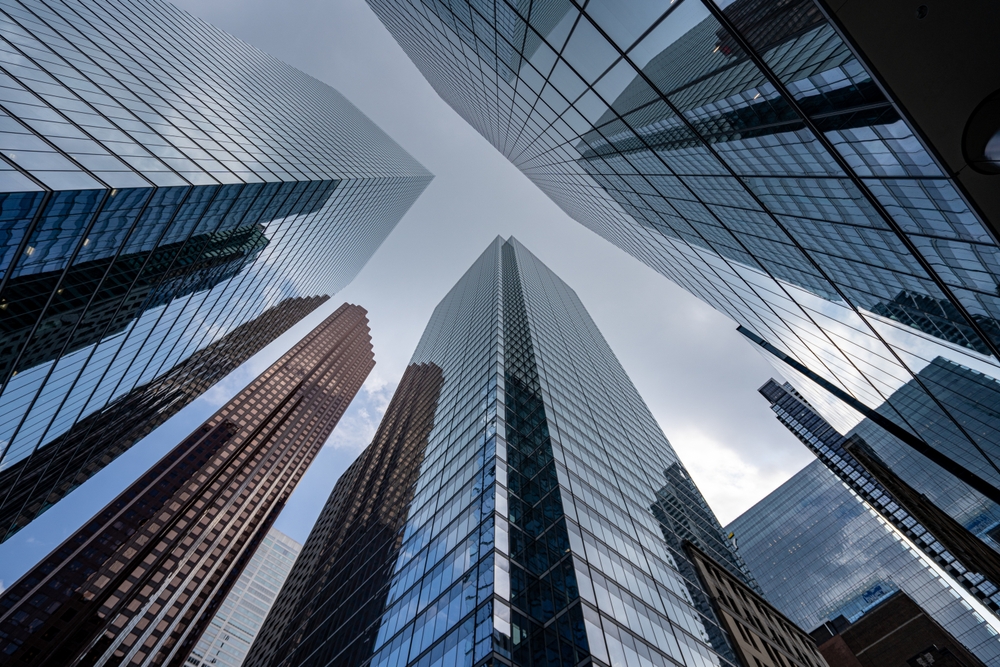
Kluczowe obszary zastosowań
Smart and functional coatings add advanced capabilities to surfaces, such as self-cleaning, corrosion resistance, or energy efficiency, helping products perform better and last longer.
They also support sustainability by reducing maintenance needs and environmental impact, making them a smart choice for modern industries and consumers.
Heritage Building
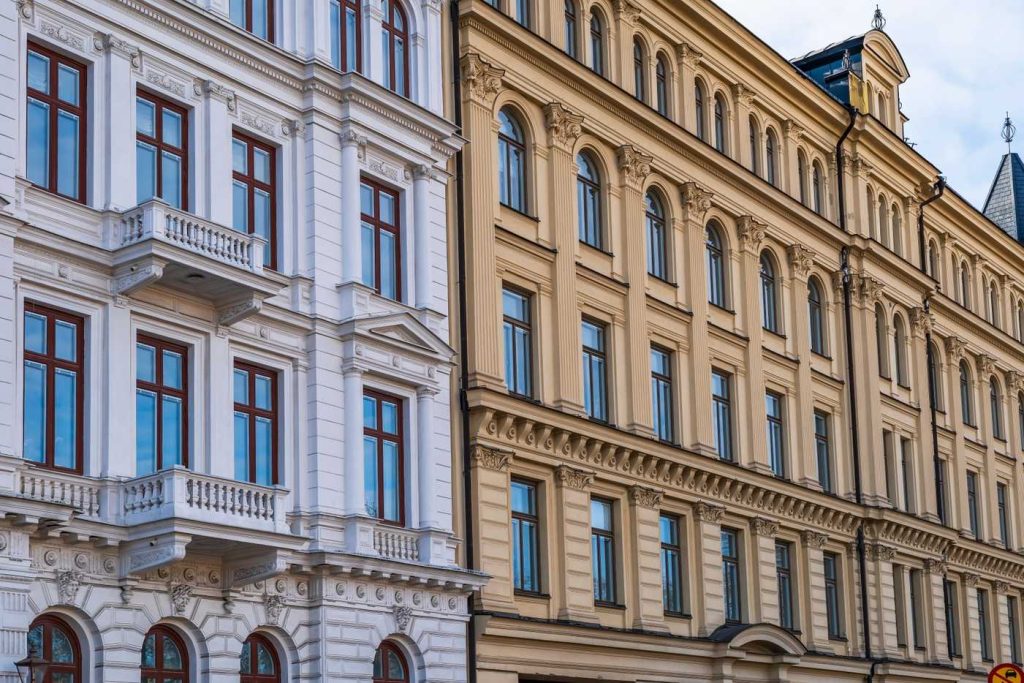
A light-activated nano-titanium oxide coating based on EXOCOAT™ 151B provides continuous self-cleaning on heritage façades by decomposing organic grime, soot, and atmospheric pollutants as soon as they settle on the surface. Its hydrophilic film allows rainwater to sheet evenly across stone or render, naturally washing away loosened contaminants without streaking or abrasion—an essential advantage for fragile historical buildings. Because the coating also breaks down airborne VOCs and NOx, it helps preserve surface integrity while contributing to cleaner micro-environments around monuments and historic districts. Long-term durability demonstrated in internal wash-cycle and outdoor-exposure tests ensures that treated heritage buildings maintain a clean, well-kept appearance with drastically reduced maintenance needs. The transparent, breathable layer does not alter the original aesthetic, making it suitable for culturally sensitive structures. By reducing the frequency of manual cleaning—which can be costly and sometimes damaging—this technology extends the lifetime of historic buildings while lowering conservation budgets. Overall, it offers a sustainable, non-invasive way to safeguard architectural heritage against modern urban pollution.
Renders
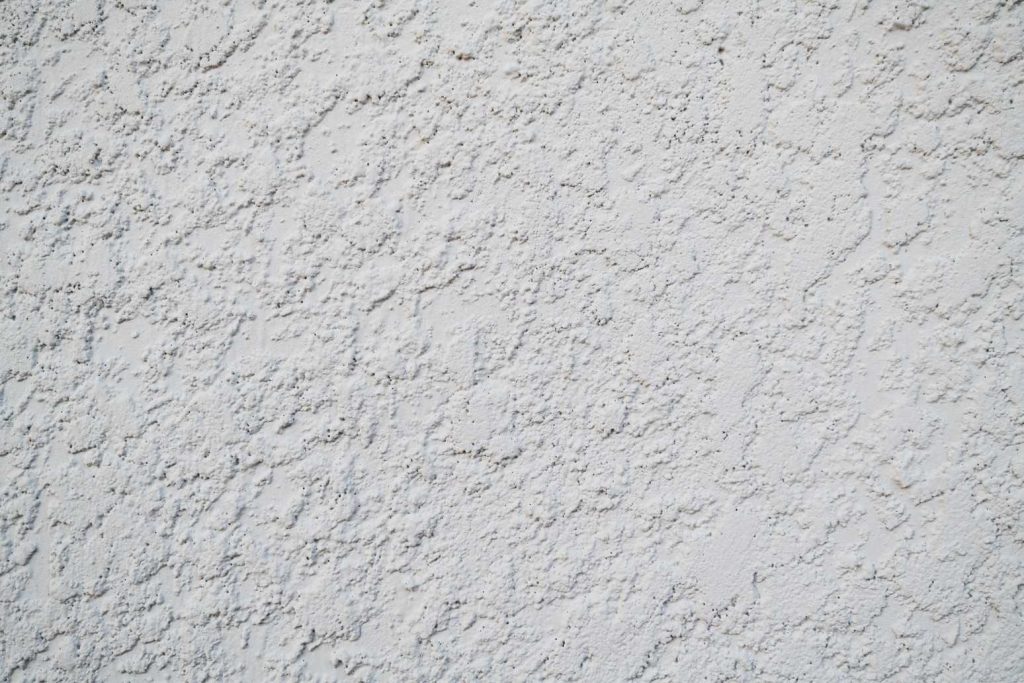
EXOCOAT™’s photocatalytic technology, as used in EXOCOAT™ 151B, keeps rendered façades clean by actively decomposing organic grime, soot, VOCs and NOx under daylight, ensuring long-term cleanliness without abrasive maintenance. In contrast, the superhydrophobic EXOCOAT™ SH coating prevents dirt from adhering in the first place, causing water to bead and roll off—resulting in an instantly cleaner appearance after every rainfall. While the photocatalytic layer offers ongoing pollutant breakdown for urban or traffic-exposed homes, the EXOCOAT™ SH version excels in repelling moisture, significantly reducing water absorption in porous renders. A drier façade improves thermal insulation efficiency by preventing heat-loss linked to moisture-laden walls, supporting lower energy consumption. Photocatalytic surfaces contribute to air-purification around the building, whereas superhydrophobic surfaces maximize aesthetic durability by resisting streaks, biological growth, and damp stains. Both solutions reduce maintenance cycles, but each brings a different mode of protection tailored to environmental conditions. Together, they provide two complementary paths to preserving the appearance, performance, and longevity of house façades.
Brickwork
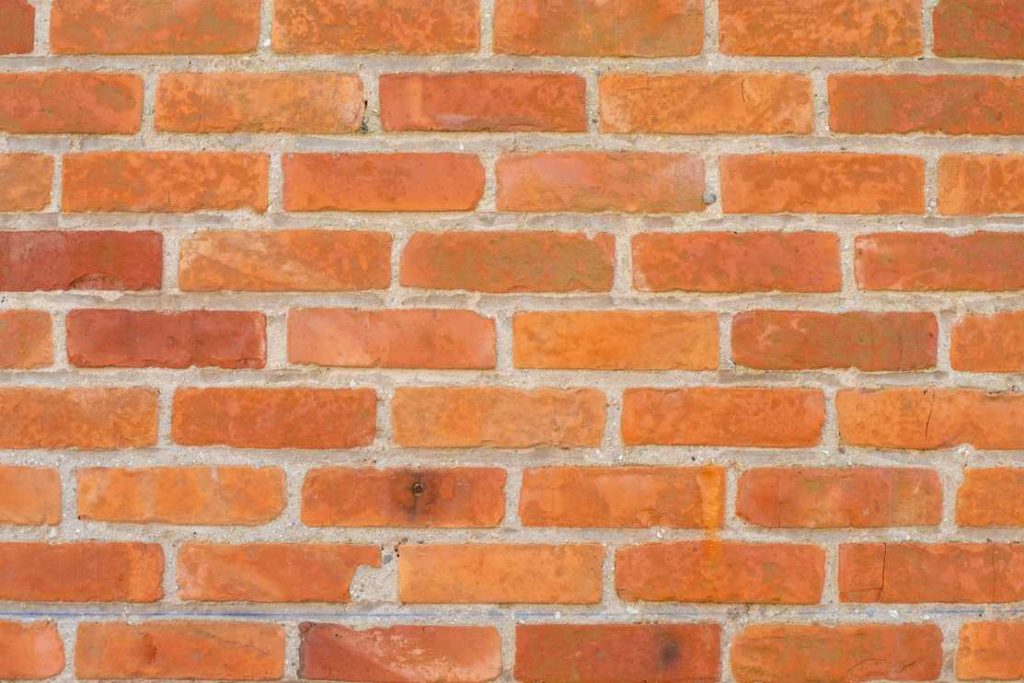
Photocatalytic technology such as that used in EXOCOAT™ 151B keeps brick façades clean by continuously breaking down soot, algae films, atmospheric grime, and urban pollutants as soon as they deposit on the surface. This active cleaning effect is especially valuable on textured brickwork, where contaminants tend to cling deeply in the pores. In contrast, the superhydrophobic EXOCOAT™ SH prevents water and dirt from penetrating the masonry at all, causing rain to bead and rinse away surface dust before it can accumulate. By drastically lowering water absorption, the EXOCOAT™ SH treatment keeps bricks significantly drier, improving the wall’s thermal resistance since wet brickwork can lose up to several times more heat than dry masonry. Where the photocatalytic coating excels in high-pollution environments by reducing NOx and VOC buildup, the EXOCOAT™ SH coating provides maximum protection against moisture, efflorescence, freeze-thaw damage, and biological growth. Both technologies reduce maintenance cycles, preserve the original aesthetic of the brick, and extend the lifespan of the façade—but each offers a distinct mode of long-term protection suited to different environmental conditions.
Kompletna technologia EXOCOAT™
Proszę zapoznać się ze szczegółowymi specyfikacjami technicznymi, wytycznymi dotyczącymi receptur i pełnym portfolio produktów.
Proszę się z nami skontaktować
Profesjonalne wsparcie i zasoby
Expert guidance for EXOCOAT™ implementation in architecture
Aktualności
Stay informed about our breakthrough innovations, market developments, and industry leadership.
Discover how EXOCOAT™ continues to shape the future of functional coatings worldwide.